.nodes()
A network of people, institutions, and partners we work with.
C.AE
Leverhulme Centre for Algorithmic Life
The extraordinarily rapid rise of algorithmic technologies is witnessing a seismic shift in how the lives of humans are interwoven with novel machine paradigms of knowledge and action. Across many spheres of life – from decisions on welfare or immigration to judgements about healthcare – the futures of people and societies are becoming intimately connected to the patterns and attributes that algorithms have learned from data. The Leverhulme Centre for Algorithmic Life (CAL) is transforming how we understand and study the relationship between human life and machine learning (ML) and artificial intelligence (AI) algorithms. Algorithmic life involves an emerging cultural, social, and technological way of knowing and engaging with the world, a paradigm whose form and consequences are not yet well understood.
The Centre is dedicated to the interdisciplinary study of algorithmic life, pursuing one of the most urgent questions for contemporary society: how do we wish to live with and alongside algorithmic technologies? Our researchers are examining the novel paradigms of knowledge, perception, and action that emerge with contemporary algorithmic technologies. They are exploring how ideas and concepts of what it means to be human transform and adapt in collaboration with the different life-worlds of algorithms.
University of Melbourne
Institutional home of Coded Aesthetics — School of Culture and Communication, where the group's research lives.
Jasmin Pfefferkorn
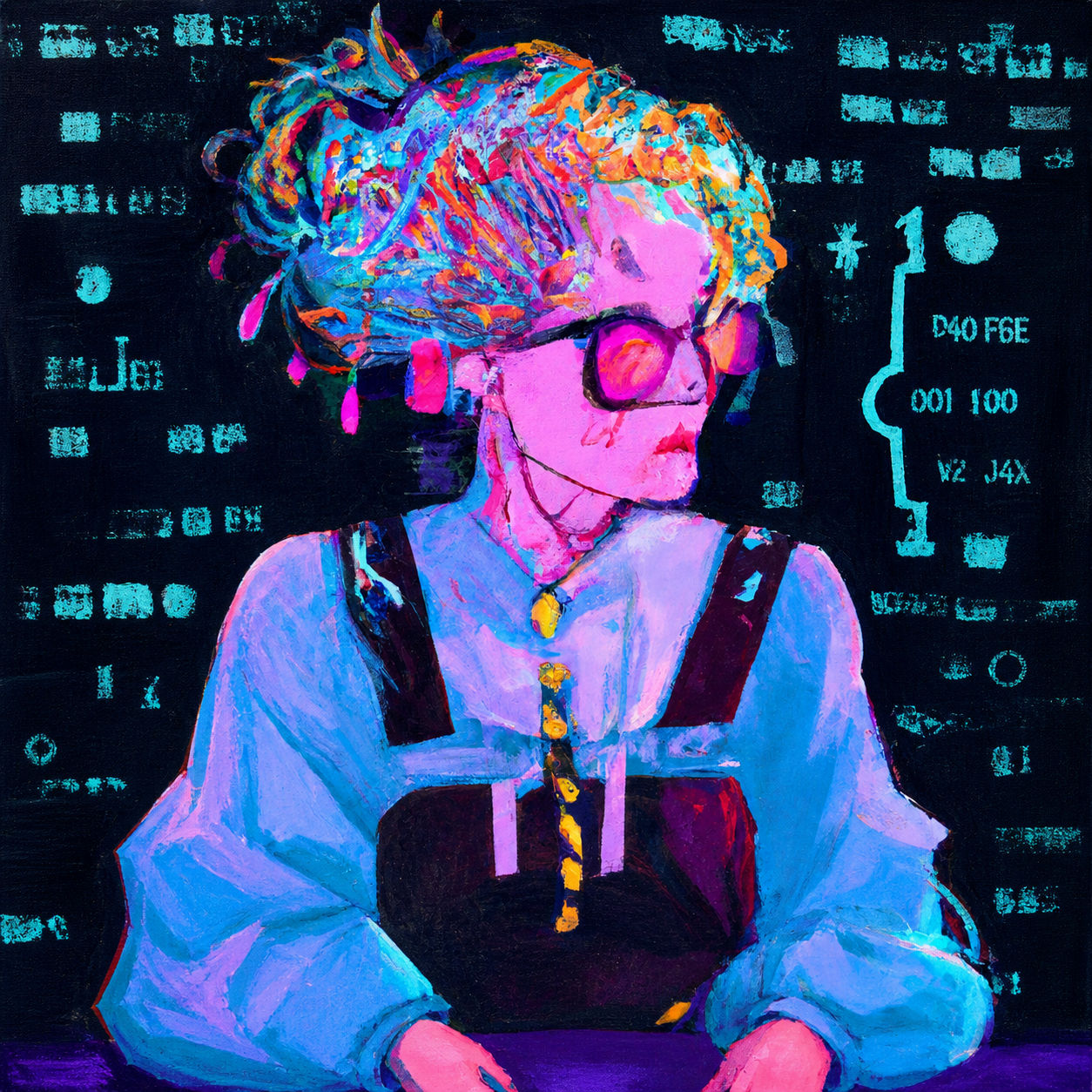 Co-founder of Coded Aesthetics. Works across museum studies, critical AI, and digital cultures, drawing on media theory and visual culture. Author of Museums as Assemblage and co-editor of both Decentring Ethics and Anthem Handbook of AI and Visual Culture.
Emilie K. Sunde
Co-founder of Coded Aesthetics. Works across museum studies, critical AI, and digital cultures, drawing on media theory and visual culture. Author of Museums as Assemblage and co-editor of both Decentring Ethics and Anthem Handbook of AI and Visual Culture.
Emilie K. Sunde
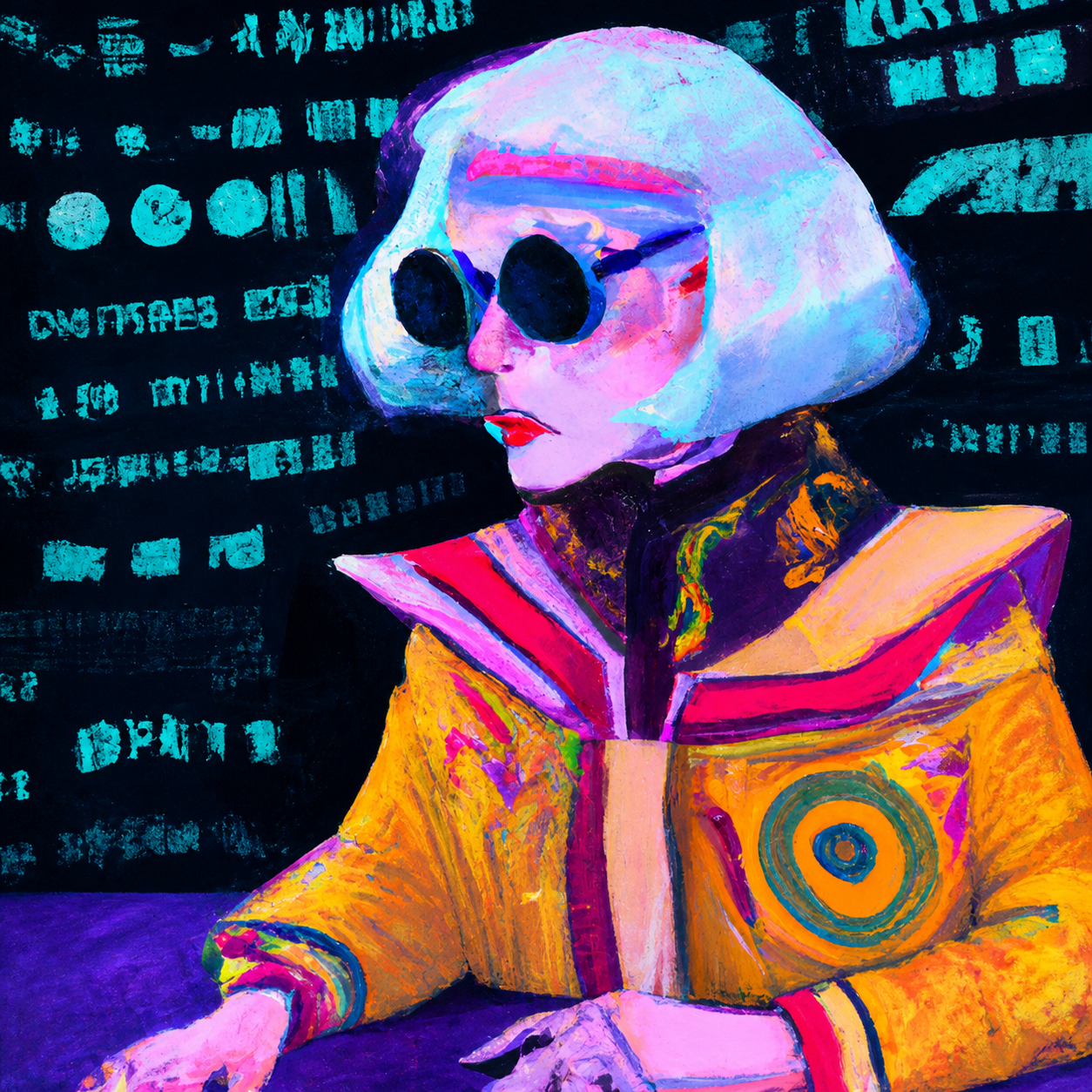 Co-founder of Coded Aesthetics. Researches latent space, photographic realism, and AI-images at the intersection of media theory and machine learning. Author of From Outer Space to Latent Space (Philosophy of Photography, 2024).
Vanessa Bartlett
Co-editor of Decentring Ethics: AI Art as Method (Open Humanities Press, 2025), an edited volume on artists, cultural institutions, and the ethics of human-machine assemblages.
Scott McQuire
Media theorist at the University of Melbourne. Co-editor of the Seeing Photographically special issue of Media Theory (2024) and co-author of Ambient Images (Nordic Journal of Aesthetics, 2021).
Sean Cubitt
Media and ecology theorist. Co-author of Ambient Images (Nordic Journal of Aesthetics, 2021), working across digital photography, mediation, and visual culture.
Aarati Akkapeddi
Artist and educator, contributor to Decentring Ethics: AI Art as Method.
Tyne Daile Sumner
Researcher at the intersection of literary studies, digital humanities, and surveillance studies, with a focus on how literary texts help us understand human subjectivity under conditions of datafication. Part of CAIDE AAIDE and contributor to Decentring Ethics: AI Art as Method.
Nikos Papastergiadis
Cultural theorist at the University of Melbourne. Co-author of Ambient Images, working across cosmopolitanism, contemporary art, and visual culture.
Daniel Palmer
Photography theorist. Contributor to Seeing Photographically and Ambient Images, with research on photography's encounters with computation and digital culture.
Off Site Project
The online curatorial project of Elliott Burns & Pita Arreola-Burns, contributors to Decentring Ethics: AI Art as Method.
Iyad Rahwan
Director of the Center for Humans and Machines, Max Planck. Author of foreword for Decentring Ethics: AI Art as Method.
Amanda Wasielewski
Assistant Professor at Uppsala University, contributed to Decentring Ethics: AI art as Method and Seeing Photographically.
Beverley Hood
Artist and academic based in Edinburgh, Scotland. Contributed to Decentring Ethics: AI art as Method
Celia Lury
Sociologist of methods. Contributor to Seeing Photographically and Ambient Images — work on photography, data, and the computational mediation of cultural memory.
Mat Spisbah
New media artist, curator, and artistic director at Pseudo Studio, whose practice spans experimental music, performance works and exhibitions across Australia and Asia. Collaborator on the Hylozoic performance lecture and screening nights.
Open Humanities Press
Open-access scholarly publisher. Home of the Data Browser Series, where Decentring Ethics: AI Art as Method (2025) was published.
University of Oslo
Host of the Fotorealisme (2023) and FOTOFAKE (2022) workshops on photographic truth-claims and the rise of synthetic media.
Xanthe Dobbie
Artist and filmmaker, contributor Decentring Ethics: AI Art as Method
Libby Heaney
Artist working with quantum materiality, contributor to Decentring Ethics: AI Art as Method
RMIT University
Partner on the Data Relations summer academy (2023), held jointly with the Australian Centre for Contemporary Art.
Australian Centre for Contemporary Art
ACCA — Melbourne contemporary art institution. Co-host of the Data Relations summer academy (2023), bringing data, art, and cultural practice into the same room.
xCoAx
Annual conference on Computation, Communication, Aesthetics & X. Hosted Coded Aesthetics' Haunted AI paper at the 11th edition (Weimar, 2023).
Helen Knowles
Artist and curator, contributor to Decentring Ethics: AI Art as Method
Dani Admiss
Interdisciplinary researcher, writer and curator exploring climate transition, carbon governance and infrastructural systems; contributor to Decentring Ethics: AI Art as Method
Solange Glasser
Senior Lecturer in Music (Music Psychology), Melbourne Conservatorium of Music at UniMelb. Contributed to Decentring Ethics: AI Art as Method
Margaret Osborne
Associate Professor in Psychology and Music, Melbourne School of Psychological Sciences. Contributed to Decentring Ethics: AI Art as Method
Kamya Ramachandran
Trained architect, researcher and design educator, contributor to Decentring Ethics: AI Art as Method.
Lucy A. Sparrow
Lecturer at the School of Computing and Information Systems, University of Melbourne. Contributed to Decentring Ethics: AI Art as Method
Ryan Kelly
Researcher in Human-Computer Interaction at the University of Melbourne. Contributed to Decentring Ethics: AI Art as Method
Ben Loveridge
Coordinator, Immersive Media (AR/VR) at UniMelb. Contributed to Decentring Ethics: AI Art as Method
Sean McMorrow
Lecturer in Media and Communications, researches into philosophy of technology. Collaborator on the National Communication Museums' Wyrmware Workshop, part of the Stigmergy exhibition (2026).
Co-founder of Coded Aesthetics. Researches latent space, photographic realism, and AI-images at the intersection of media theory and machine learning. Author of From Outer Space to Latent Space (Philosophy of Photography, 2024).
Vanessa Bartlett
Co-editor of Decentring Ethics: AI Art as Method (Open Humanities Press, 2025), an edited volume on artists, cultural institutions, and the ethics of human-machine assemblages.
Scott McQuire
Media theorist at the University of Melbourne. Co-editor of the Seeing Photographically special issue of Media Theory (2024) and co-author of Ambient Images (Nordic Journal of Aesthetics, 2021).
Sean Cubitt
Media and ecology theorist. Co-author of Ambient Images (Nordic Journal of Aesthetics, 2021), working across digital photography, mediation, and visual culture.
Aarati Akkapeddi
Artist and educator, contributor to Decentring Ethics: AI Art as Method.
Tyne Daile Sumner
Researcher at the intersection of literary studies, digital humanities, and surveillance studies, with a focus on how literary texts help us understand human subjectivity under conditions of datafication. Part of CAIDE AAIDE and contributor to Decentring Ethics: AI Art as Method.
Nikos Papastergiadis
Cultural theorist at the University of Melbourne. Co-author of Ambient Images, working across cosmopolitanism, contemporary art, and visual culture.
Daniel Palmer
Photography theorist. Contributor to Seeing Photographically and Ambient Images, with research on photography's encounters with computation and digital culture.
Off Site Project
The online curatorial project of Elliott Burns & Pita Arreola-Burns, contributors to Decentring Ethics: AI Art as Method.
Iyad Rahwan
Director of the Center for Humans and Machines, Max Planck. Author of foreword for Decentring Ethics: AI Art as Method.
Amanda Wasielewski
Assistant Professor at Uppsala University, contributed to Decentring Ethics: AI art as Method and Seeing Photographically.
Beverley Hood
Artist and academic based in Edinburgh, Scotland. Contributed to Decentring Ethics: AI art as Method
Celia Lury
Sociologist of methods. Contributor to Seeing Photographically and Ambient Images — work on photography, data, and the computational mediation of cultural memory.
Mat Spisbah
New media artist, curator, and artistic director at Pseudo Studio, whose practice spans experimental music, performance works and exhibitions across Australia and Asia. Collaborator on the Hylozoic performance lecture and screening nights.
Open Humanities Press
Open-access scholarly publisher. Home of the Data Browser Series, where Decentring Ethics: AI Art as Method (2025) was published.
University of Oslo
Host of the Fotorealisme (2023) and FOTOFAKE (2022) workshops on photographic truth-claims and the rise of synthetic media.
Xanthe Dobbie
Artist and filmmaker, contributor Decentring Ethics: AI Art as Method
Libby Heaney
Artist working with quantum materiality, contributor to Decentring Ethics: AI Art as Method
RMIT University
Partner on the Data Relations summer academy (2023), held jointly with the Australian Centre for Contemporary Art.
Australian Centre for Contemporary Art
ACCA — Melbourne contemporary art institution. Co-host of the Data Relations summer academy (2023), bringing data, art, and cultural practice into the same room.
xCoAx
Annual conference on Computation, Communication, Aesthetics & X. Hosted Coded Aesthetics' Haunted AI paper at the 11th edition (Weimar, 2023).
Helen Knowles
Artist and curator, contributor to Decentring Ethics: AI Art as Method
Dani Admiss
Interdisciplinary researcher, writer and curator exploring climate transition, carbon governance and infrastructural systems; contributor to Decentring Ethics: AI Art as Method
Solange Glasser
Senior Lecturer in Music (Music Psychology), Melbourne Conservatorium of Music at UniMelb. Contributed to Decentring Ethics: AI Art as Method
Margaret Osborne
Associate Professor in Psychology and Music, Melbourne School of Psychological Sciences. Contributed to Decentring Ethics: AI Art as Method
Kamya Ramachandran
Trained architect, researcher and design educator, contributor to Decentring Ethics: AI Art as Method.
Lucy A. Sparrow
Lecturer at the School of Computing and Information Systems, University of Melbourne. Contributed to Decentring Ethics: AI Art as Method
Ryan Kelly
Researcher in Human-Computer Interaction at the University of Melbourne. Contributed to Decentring Ethics: AI Art as Method
Ben Loveridge
Coordinator, Immersive Media (AR/VR) at UniMelb. Contributed to Decentring Ethics: AI Art as Method
Sean McMorrow
Lecturer in Media and Communications, researches into philosophy of technology. Collaborator on the National Communication Museums' Wyrmware Workshop, part of the Stigmergy exhibition (2026).
- C.AE The collective. Below: people and partners we work with.
- Leverhulme Centre for Algorithmic Life The extraordinarily rapid rise of algorithmic technologies is witnessing a seismic shift in how the lives of humans are interwoven with novel machine paradigms of knowledge and action. Across many spheres of life – from decisions on welfare or immigration to judgements about healthcare – the futures of people and societies are becoming intimately connected to the patterns and attributes that algorithms have learned from data. The Leverhulme Centre for Algorithmic Life (CAL) is transforming how we understand and study the relationship between human life and machine learning (ML) and artificial intelligence (AI) algorithms. Algorithmic life involves an emerging cultural, social, and technological way of knowing and engaging with the world, a paradigm whose form and consequences are not yet well understood. The Centre is dedicated to the interdisciplinary study of algorithmic life, pursuing one of the most urgent questions for contemporary society: how do we wish to live with and alongside algorithmic technologies? Our researchers are examining the novel paradigms of knowledge, perception, and action that emerge with contemporary algorithmic technologies. They are exploring how ideas and concepts of what it means to be human transform and adapt in collaboration with the different life-worlds of algorithms.
- University of Melbourne Institutional home of Coded Aesthetics — School of Culture and Communication, where the group's research lives.
-
Jasmin Pfefferkorn
Co-founder of Coded Aesthetics. Works across museum studies, critical AI, and digital cultures, drawing on media theory and visual culture. Author of Museums as Assemblage and co-editor of both Decentring Ethics and Anthem Handbook of AI and Visual Culture.
-
Emilie K. Sunde
Co-founder of Coded Aesthetics. Researches latent space, photographic realism, and AI-images at the intersection of media theory and machine learning. Author of From Outer Space to Latent Space (Philosophy of Photography, 2024).
- Vanessa Bartlett Co-editor of Decentring Ethics: AI Art as Method (Open Humanities Press, 2025), an edited volume on artists, cultural institutions, and the ethics of human-machine assemblages.
- Scott McQuire Media theorist at the University of Melbourne. Co-editor of the Seeing Photographically special issue of Media Theory (2024) and co-author of Ambient Images (Nordic Journal of Aesthetics, 2021).
- Sean Cubitt Media and ecology theorist. Co-author of Ambient Images (Nordic Journal of Aesthetics, 2021), working across digital photography, mediation, and visual culture.
- Aarati Akkapeddi Artist and educator, contributor to Decentring Ethics: AI Art as Method.
- Tyne Daile Sumner Researcher at the intersection of literary studies, digital humanities, and surveillance studies, with a focus on how literary texts help us understand human subjectivity under conditions of datafication. Part of CAIDE AAIDE and contributor to Decentring Ethics: AI Art as Method.
- Nikos Papastergiadis Cultural theorist at the University of Melbourne. Co-author of Ambient Images, working across cosmopolitanism, contemporary art, and visual culture.
- Daniel Palmer Photography theorist. Contributor to Seeing Photographically and Ambient Images, with research on photography's encounters with computation and digital culture.
- Off Site Project The online curatorial project of Elliott Burns & Pita Arreola-Burns, contributors to Decentring Ethics: AI Art as Method.
- Iyad Rahwan Director of the Center for Humans and Machines, Max Planck. Author of foreword for Decentring Ethics: AI Art as Method.
- Amanda Wasielewski Assistant Professor at Uppsala University, contributed to Decentring Ethics: AI art as Method and Seeing Photographically.
- Beverley Hood Artist and academic based in Edinburgh, Scotland. Contributed to Decentring Ethics: AI art as Method
- Celia Lury Sociologist of methods. Contributor to Seeing Photographically and Ambient Images — work on photography, data, and the computational mediation of cultural memory.
- Mat Spisbah New media artist, curator, and artistic director at Pseudo Studio, whose practice spans experimental music, performance works and exhibitions across Australia and Asia. Collaborator on the Hylozoic performance lecture and screening nights.
- Open Humanities Press Open-access scholarly publisher. Home of the Data Browser Series, where Decentring Ethics: AI Art as Method (2025) was published.
- University of Oslo Host of the Fotorealisme (2023) and FOTOFAKE (2022) workshops on photographic truth-claims and the rise of synthetic media.
- Xanthe Dobbie Artist and filmmaker, contributor Decentring Ethics: AI Art as Method
- Libby Heaney Artist working with quantum materiality, contributor to Decentring Ethics: AI Art as Method
- RMIT University Partner on the Data Relations summer academy (2023), held jointly with the Australian Centre for Contemporary Art.
- Australian Centre for Contemporary Art ACCA — Melbourne contemporary art institution. Co-host of the Data Relations summer academy (2023), bringing data, art, and cultural practice into the same room.
- xCoAx Annual conference on Computation, Communication, Aesthetics & X. Hosted Coded Aesthetics' Haunted AI paper at the 11th edition (Weimar, 2023).
- Helen Knowles Artist and curator, contributor to Decentring Ethics: AI Art as Method
- Dani Admiss Interdisciplinary researcher, writer and curator exploring climate transition, carbon governance and infrastructural systems; contributor to Decentring Ethics: AI Art as Method
- Solange Glasser Senior Lecturer in Music (Music Psychology), Melbourne Conservatorium of Music at UniMelb. Contributed to Decentring Ethics: AI Art as Method
- Margaret Osborne Associate Professor in Psychology and Music, Melbourne School of Psychological Sciences. Contributed to Decentring Ethics: AI Art as Method
- Kamya Ramachandran Trained architect, researcher and design educator, contributor to Decentring Ethics: AI Art as Method.
- Lucy A. Sparrow Lecturer at the School of Computing and Information Systems, University of Melbourne. Contributed to Decentring Ethics: AI Art as Method
- Ryan Kelly Researcher in Human-Computer Interaction at the University of Melbourne. Contributed to Decentring Ethics: AI Art as Method
- Ben Loveridge Coordinator, Immersive Media (AR/VR) at UniMelb. Contributed to Decentring Ethics: AI Art as Method
- Sean McMorrow Lecturer in Media and Communications, researches into philosophy of technology. Collaborator on the National Communication Museums' Wyrmware Workshop, part of the Stigmergy exhibition (2026).